MOMO MIYAZAKI

How might we design a more intuitive internal tool for the sales and pricing teams for a logistics company?

Project Lighthouse

INTERACTION DESIGN
DESIGN RESEARCH
CLIENT MANAGEMENT

CONTEXT
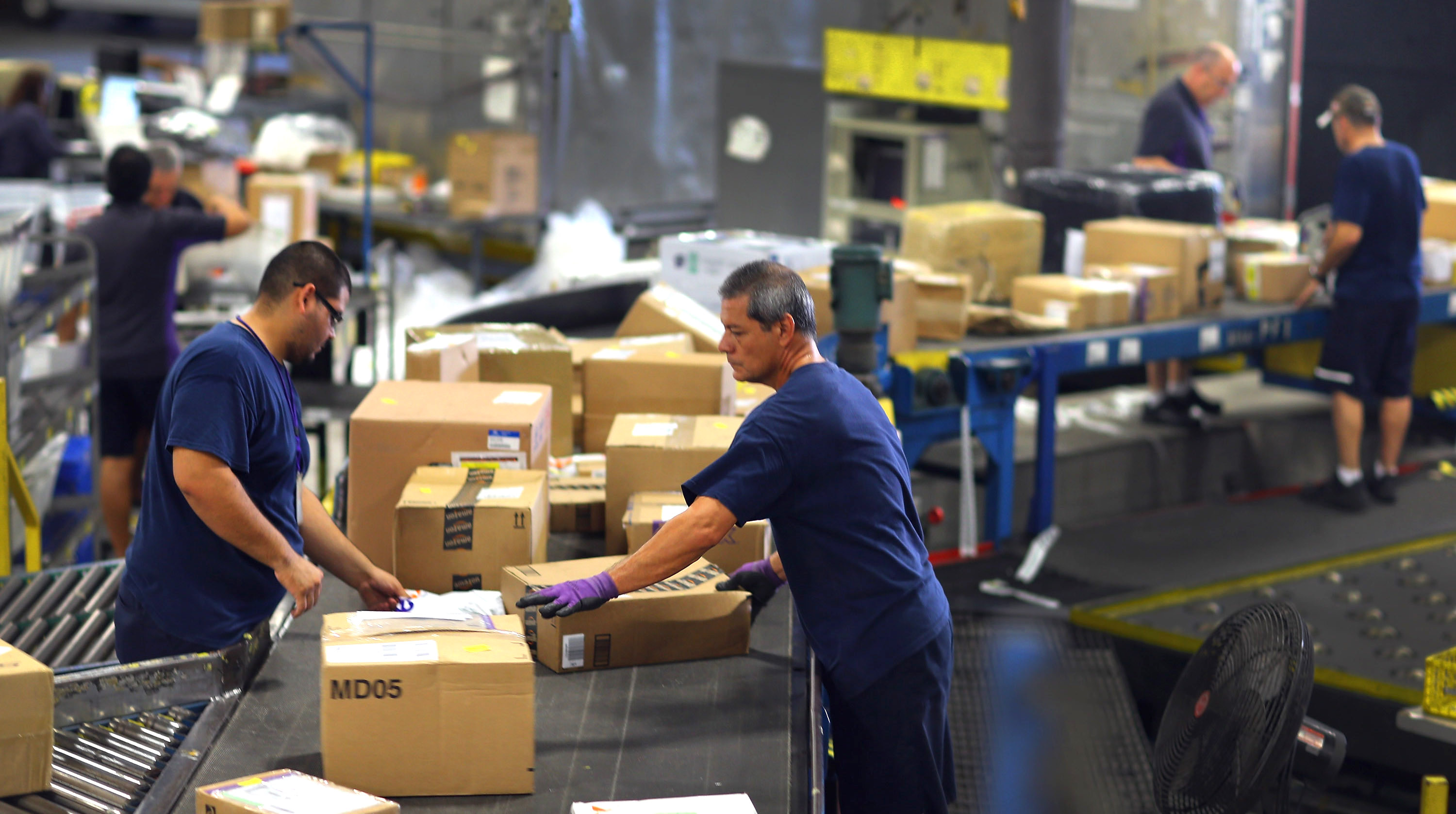
The client was an international shipping company. They serve businesses of all types; from the small coffee roastery trying to grow their market presence to the large electronics company trying to make timely mass shipments,

The client asked us to help them design the "Ideal Vision" of a future internal tool to be used during a key customer experience-- the process of a customer getting a quote estimate for a shipment.

DESIGN OUTCOME

We designed:
  • key moments in the pricing estimate process, from both an internal and customer-facing perspective
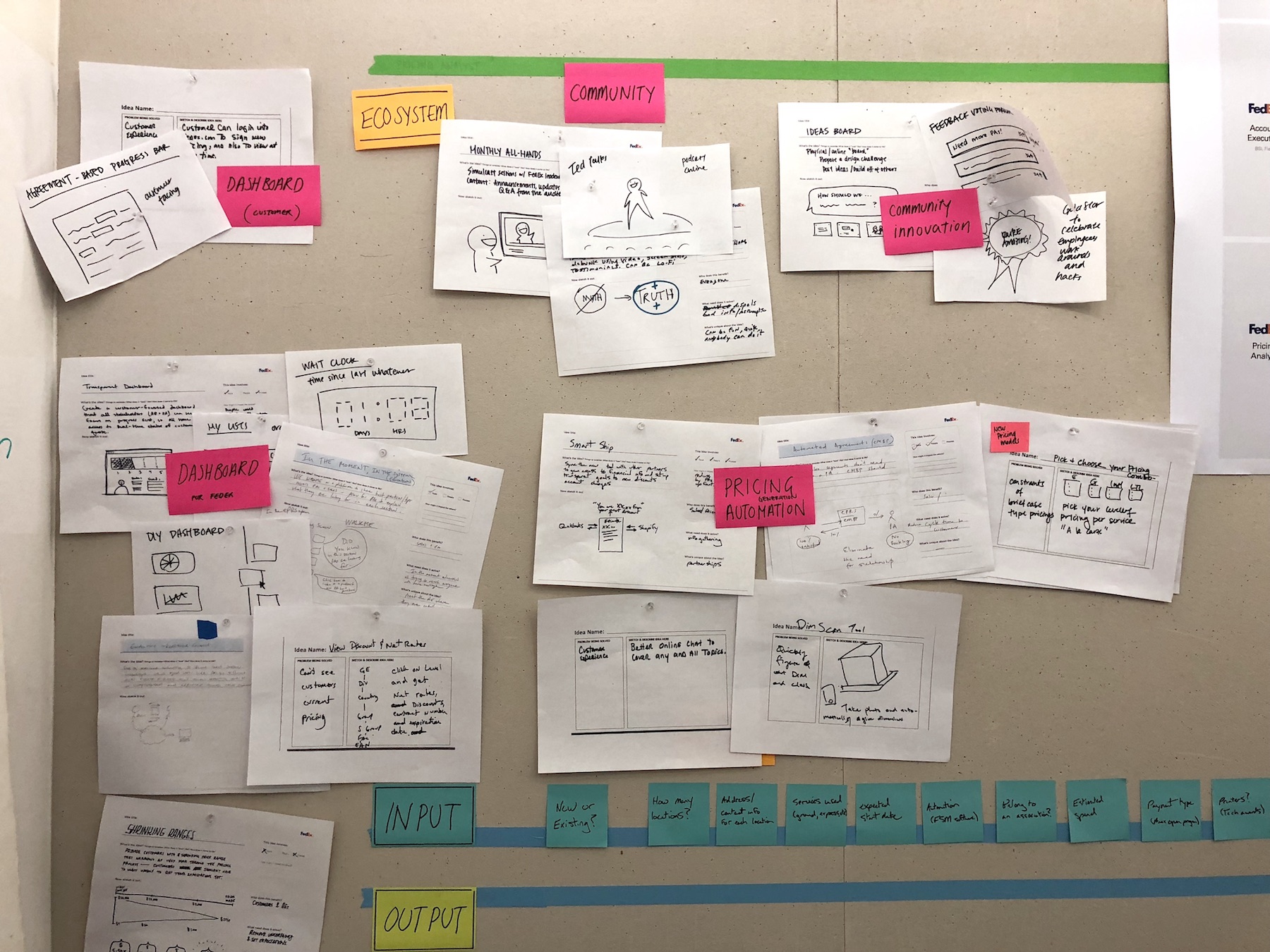
  • a series of concepts focused on organizational change
  • the financial impact and investment rationale of these concepts
This project was also an opportunity for the client to learn the design thinking method and use the outcomes as a way to highlight the impact of the human-centered design approach to problem solving.

01
UNDERSTANDING COMPLEX TOOLS AND INFRASTRUCTURE
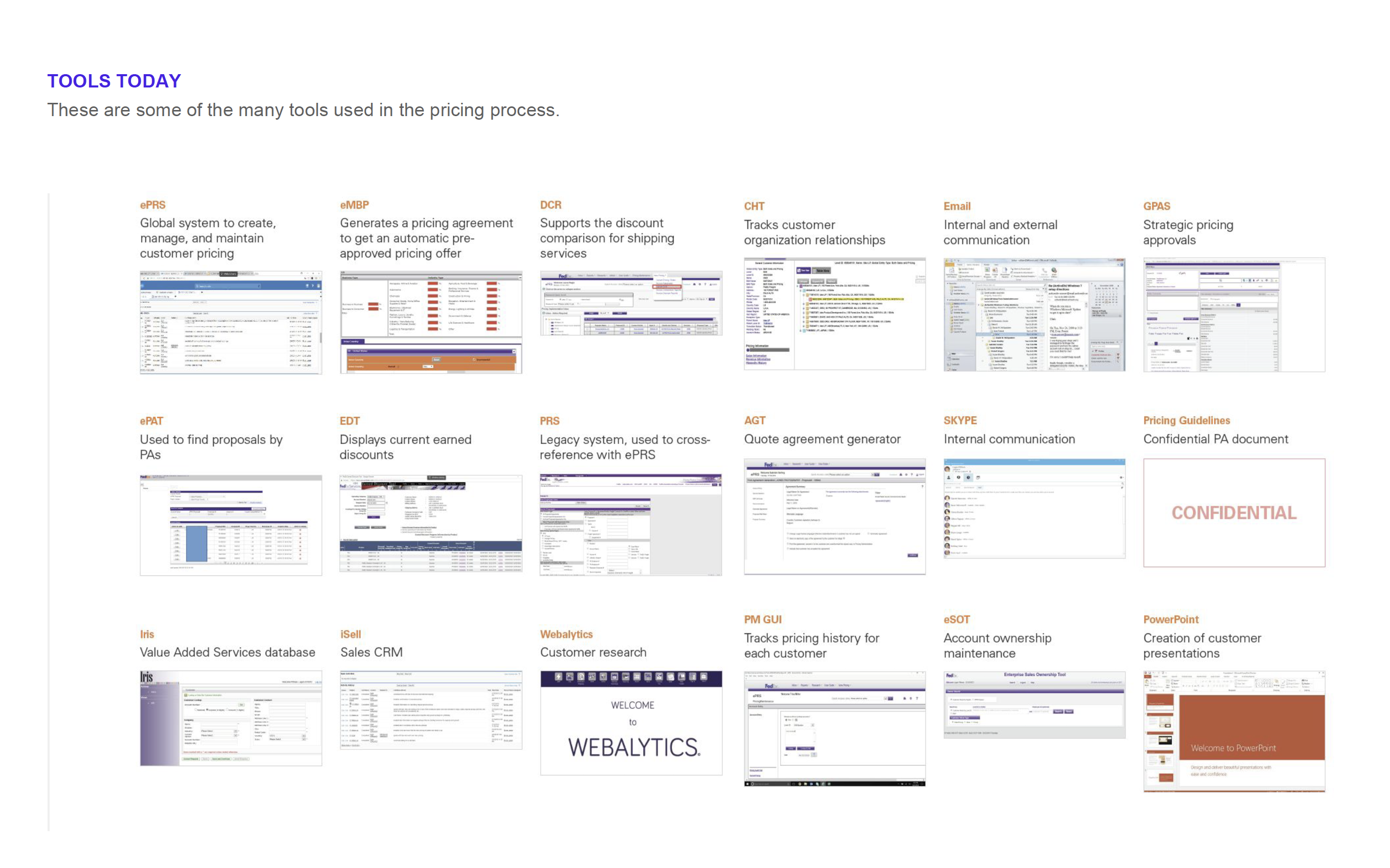
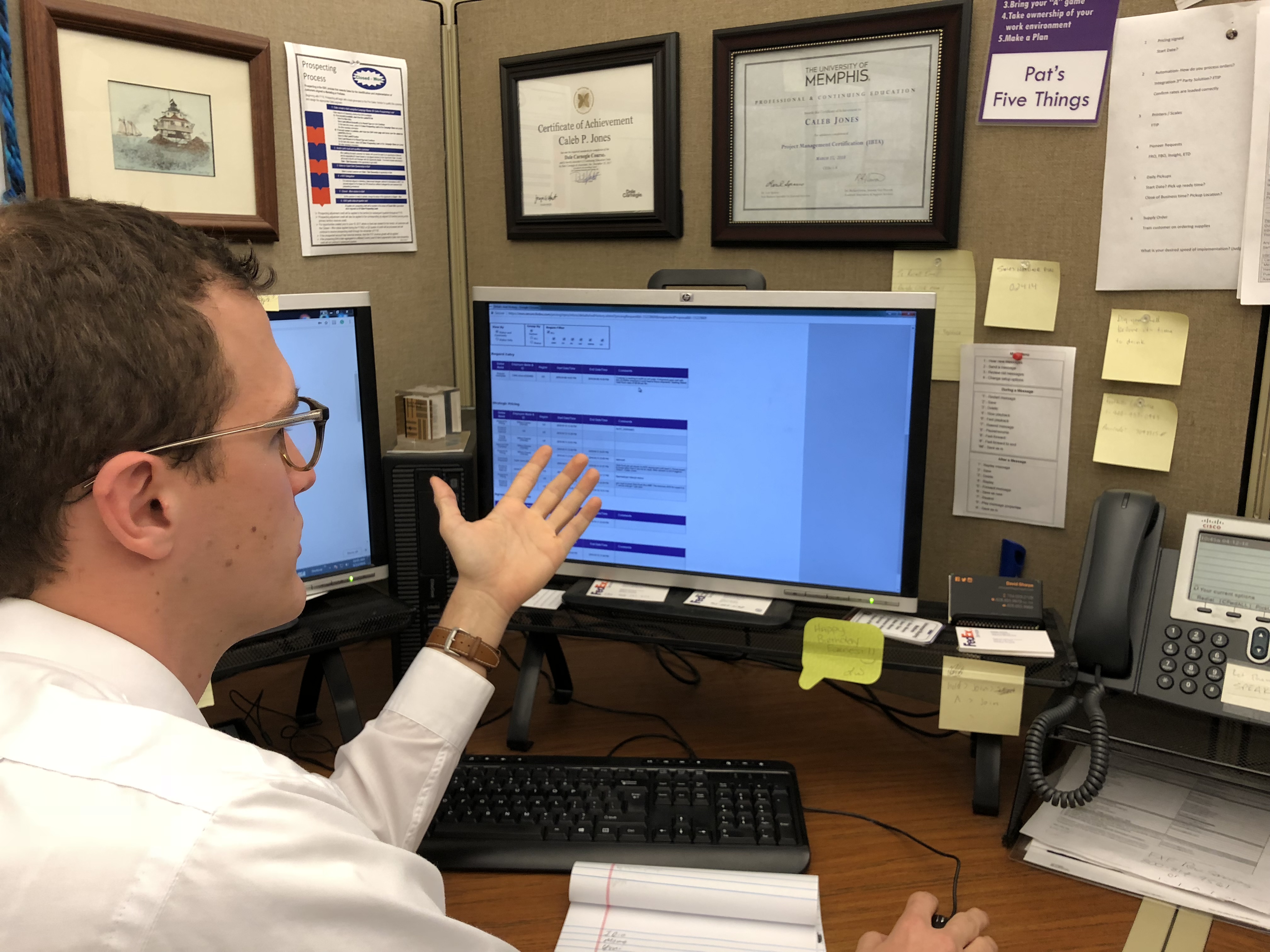
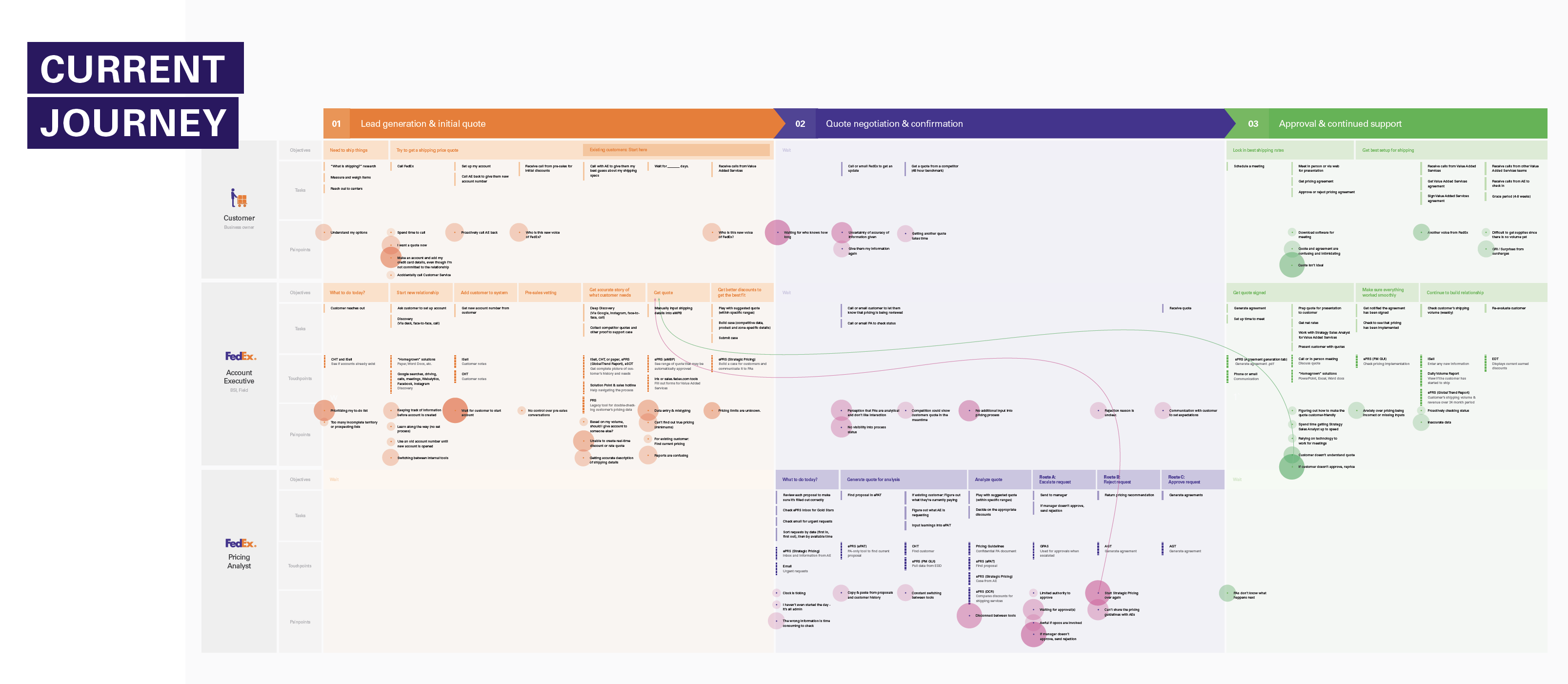
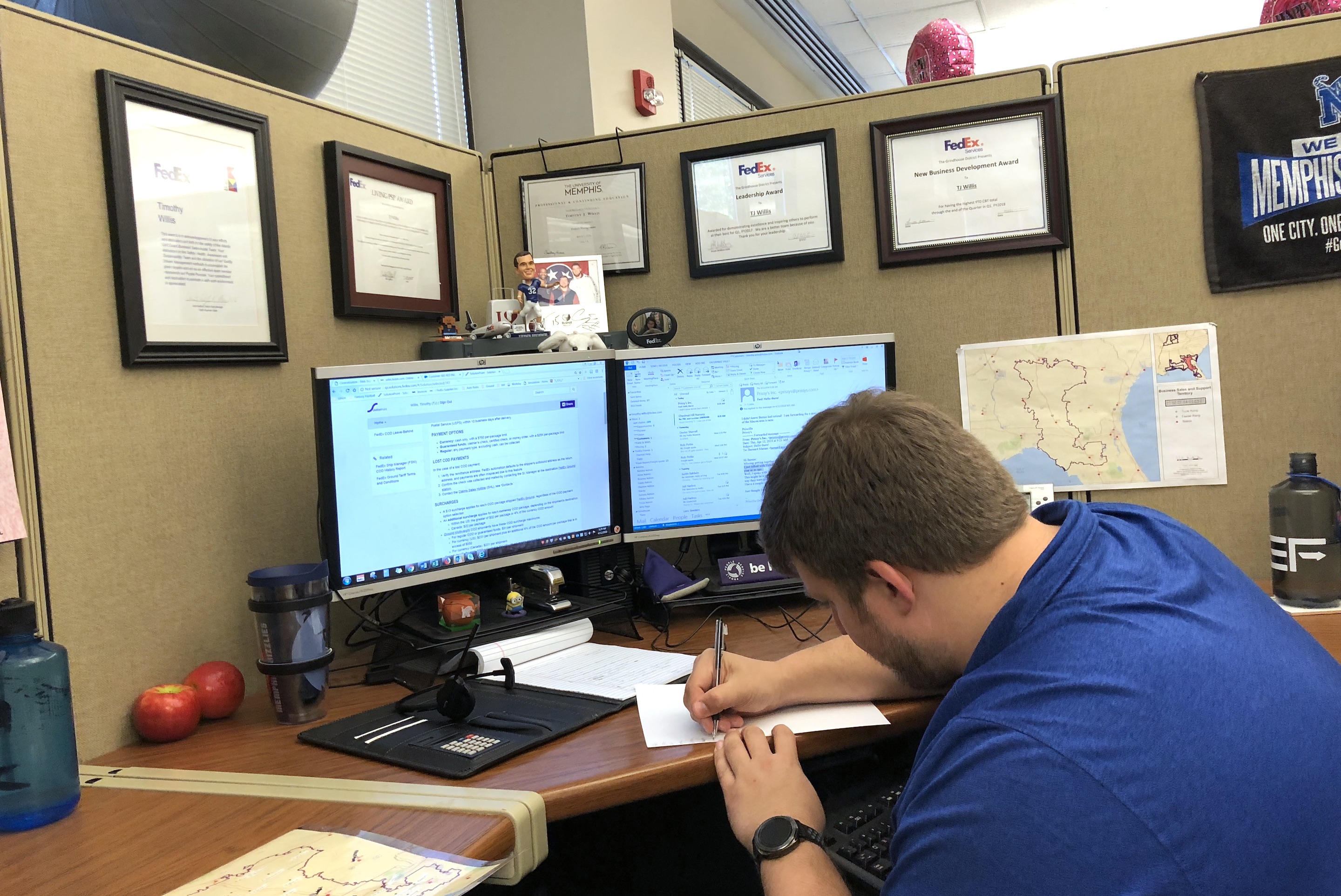
Each Sales and Pricing team member uses a 10+ tools in order to get the customer a shipping quote. Tools were disconnected from each other and unintuitive (my favorite-- you have to 'log off' from a tab in order to 'submit' a request).

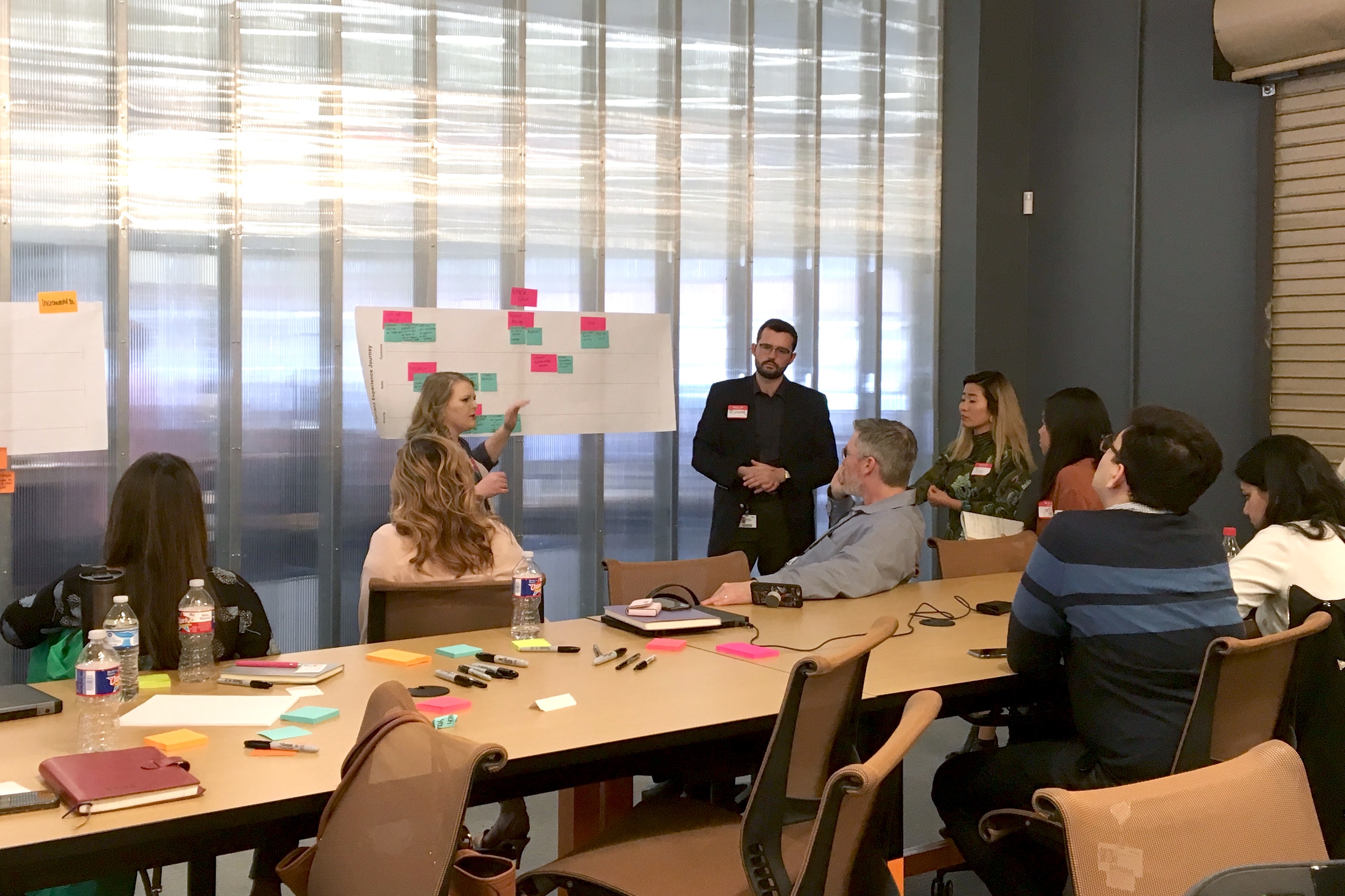
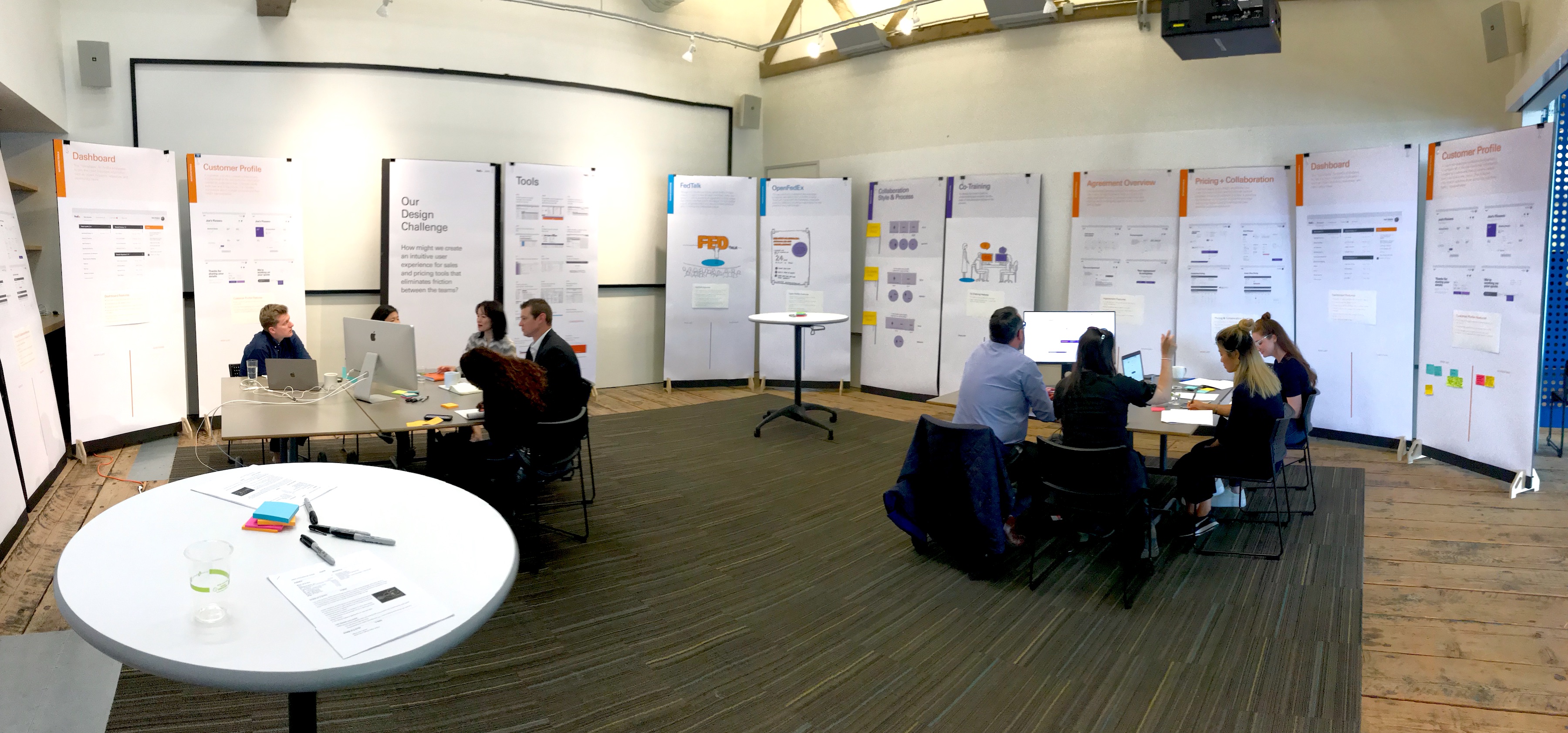
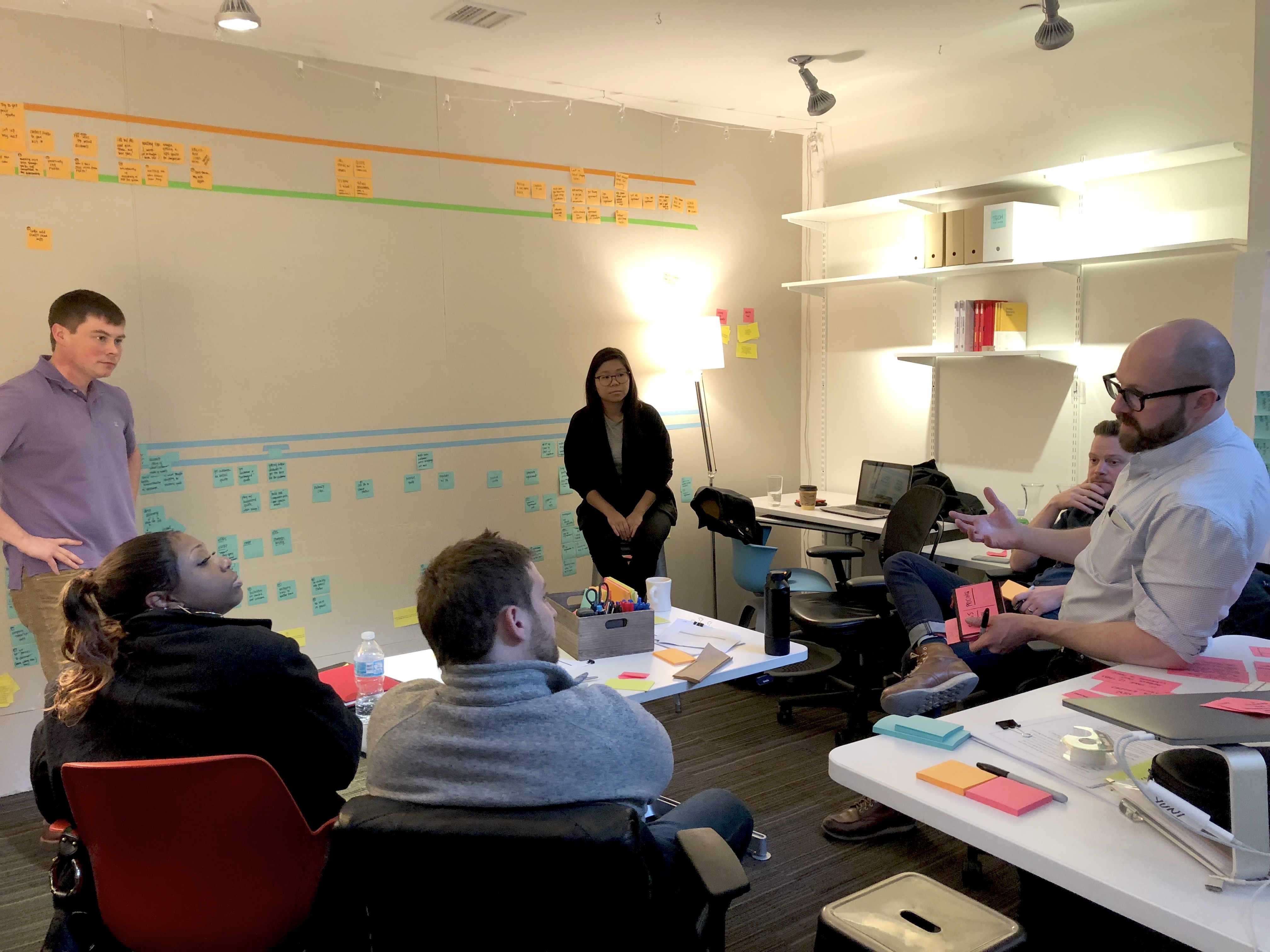
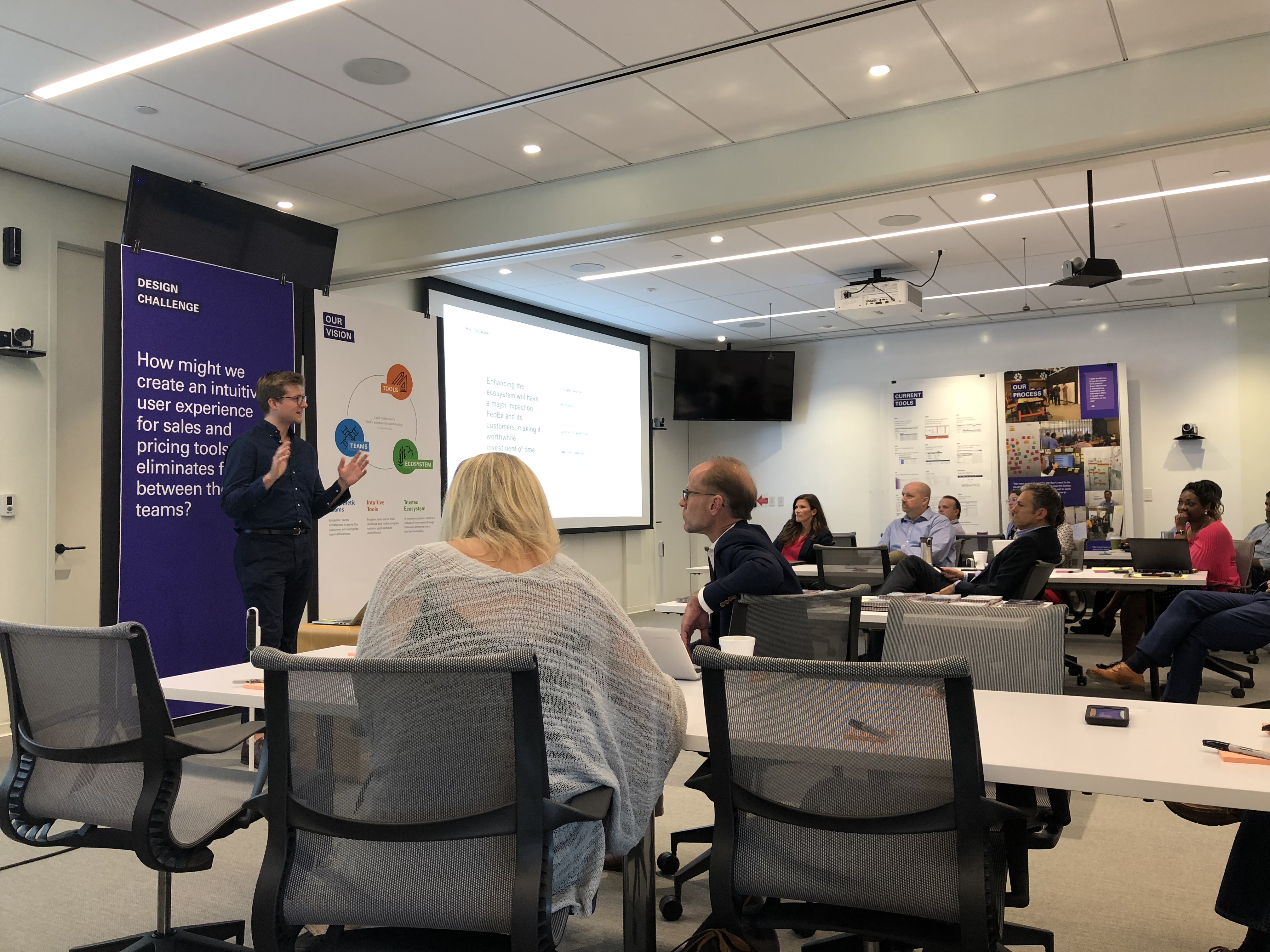
We brought prototypes to every round of workshops and interviews in order to understand the complexity of the system. Co-creation sessions helped us understand the workflows and customer communication moments of the Sales and Pricing teams.

As we began to grasp the complex, highly collaborative workflow, the fidelity of the prototypes increased and we received more nuanced feedback.

02
COLLABORATING CLOSELY WITH THE CLIENT-SIDE CORE TEAM
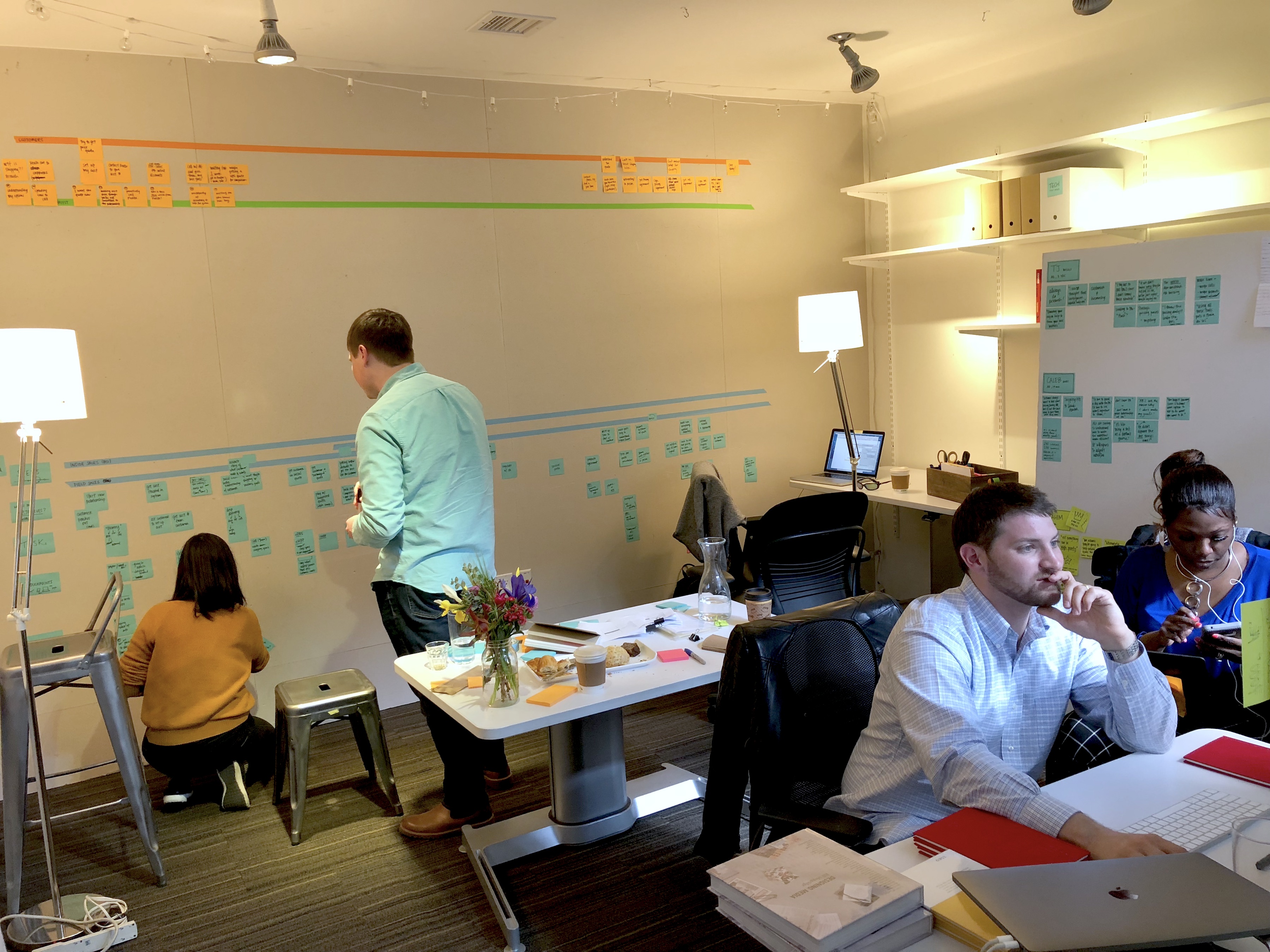
The client Core Team was on this project 100%. We saw them every other week, whether it was during research sessions, update meetings, or working sessions. Between eclectic meals and baseball games, we got very comfortable working with each other.

The collaboration had its ups and downs. The Core Team held content knowledge, and were instrumental in helping us understand the incredibly complex systems. They were able to tackle tasks that we were not well-equipped for. The final presentation included a list of current initiatives that are aligned with the goals of this project and 'quick win' tasks the technology team could tackle to move towards this Ideal Vision, which the Core Team took on; they knew who to ask and how to prioritize them using their knowledge of the internal systems.

03
TAKING A SYSTEMIC APPROACH
(IT'S NOT JUST A TOOL)
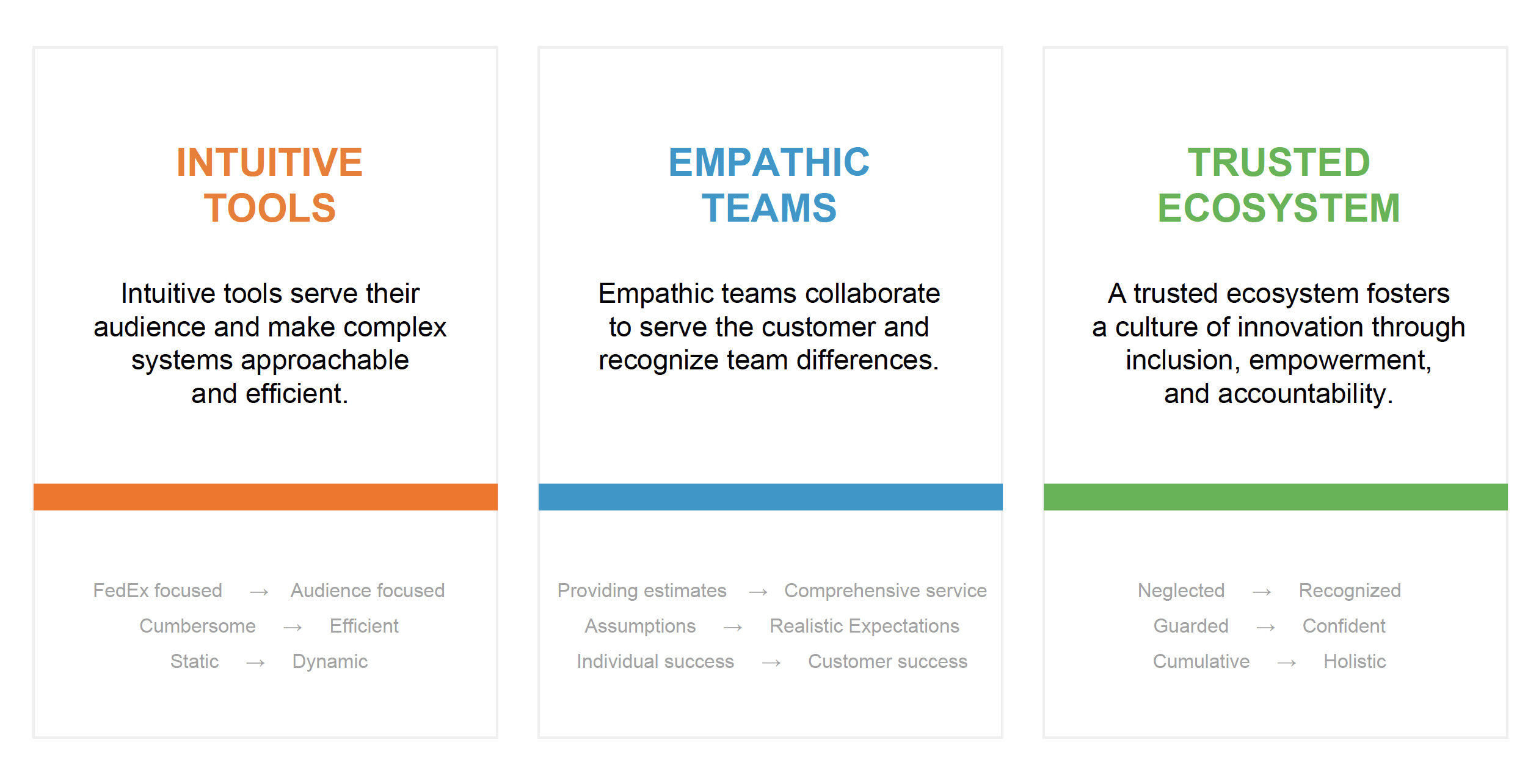
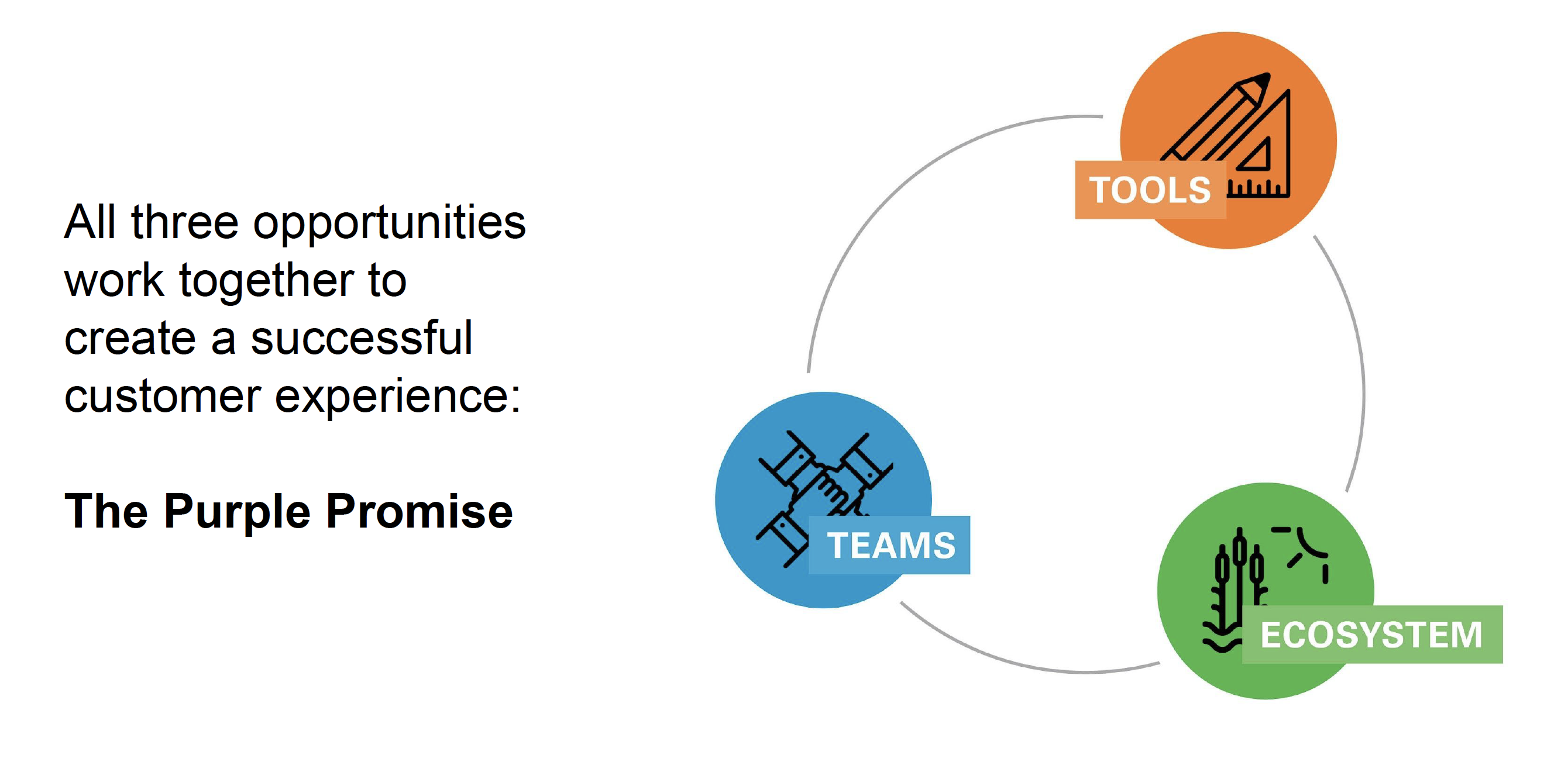
Although this project started with a focus on designing an intuitive digital too, we realized through interviews that there was more work to be done.

The client believed that one Ideal State tool could serve all of the Sales and Pricing teams; we quickly uncovered that each team had very specialized needs. Creating one tool to serve them all would lead to an average, mediocre tool that truly serves no one.

We recognized signs of organizational discontent; hearing "I would hate to be a Pricing team member, everyone is always angry at them" and "what's the point in redesigning these tools if they're not going to work?" made us push the client to consider the larger systems that the tool would sit in. The client needs to establish better team dynamics and general trust in the company in order to effectively deliver and sustain future innovation efforts.

04
DESIGNING THE FINAL PRESENTATION

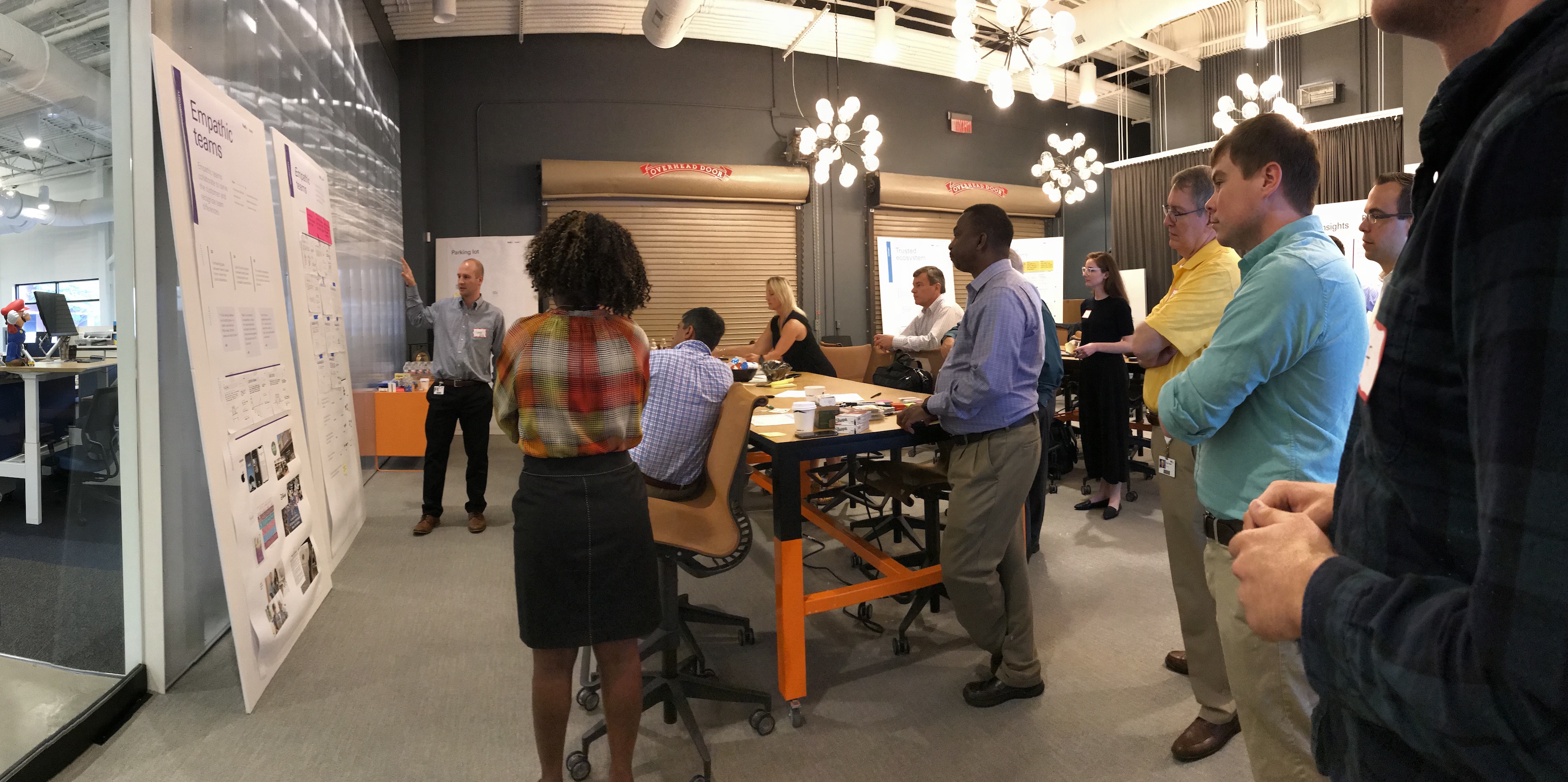
The audience at the final presentation had a heavily results-driven perspective and craved answers around strategy and business implications.

Rather than forcing them to sit through the design recommendations first, we lead with the business rationale of pursuing further work; how much time would employees save with an intuitive tool? How much money and new customers does that mean for them? They wanted to know whether further work would be worth future investment before they saw the tool that would save them money. This flow answered questions about the 'why' and they were able to later focus on the design recommendations without tangents.

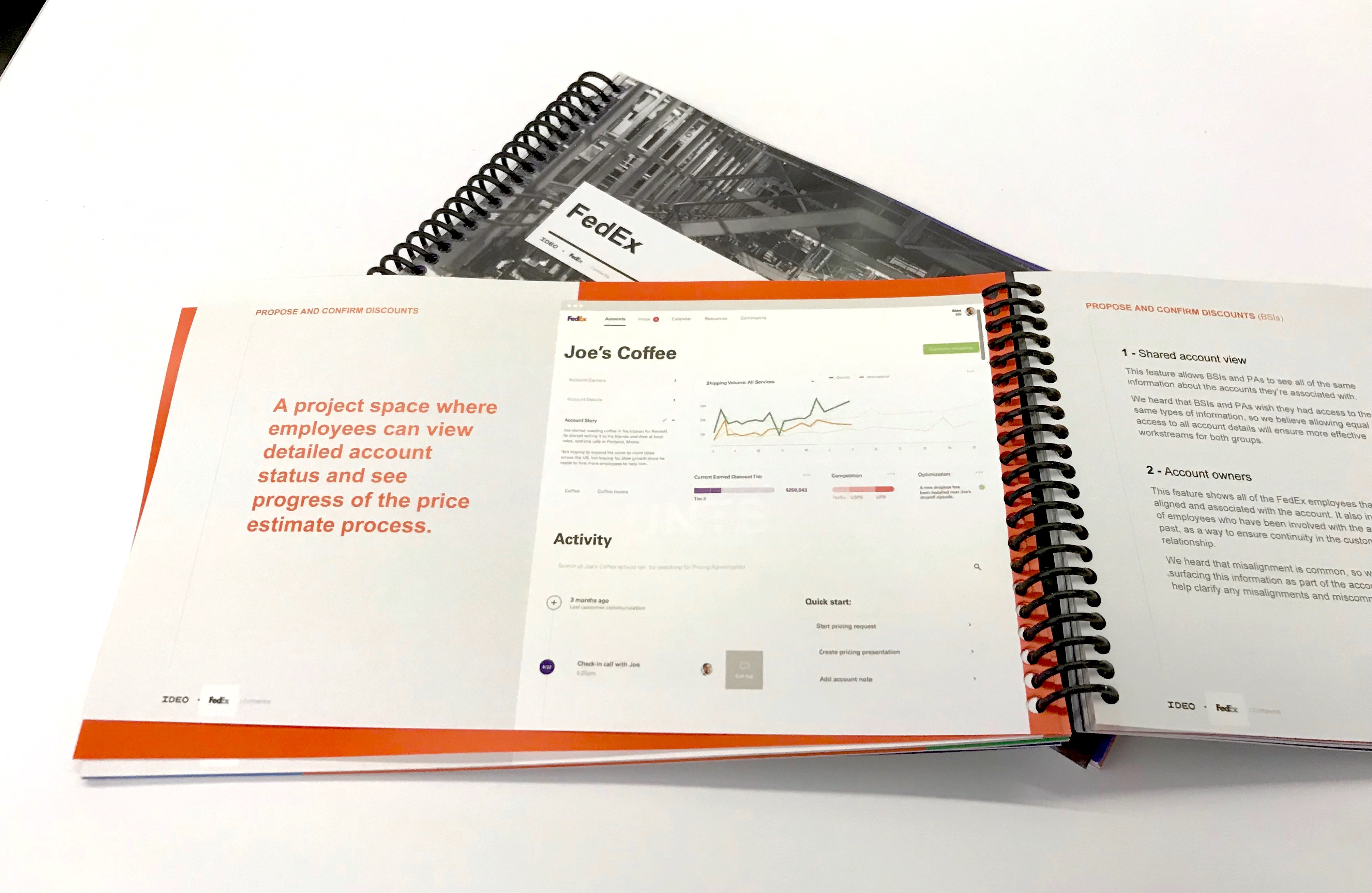
Since the meeting wasn't long enough to discuss all of the content, we left them with a comprehensive booklet that documented our process, design recommendations, design rationale, business rationale, current initiatives that are aligned with the goals of this project, and 'quick win' tasks the technology team could tackle to move towards this Ideal Vision.


10 weeks with this incredible IDEO team:

Project Lead - Yuni Lee, Momo Miyazaki
Interaction Design - Momo Miyazaki, Kelsie Klaustermeier
Business Design - Jeff Boore


© 2025 MOMO MIYAZAKI